
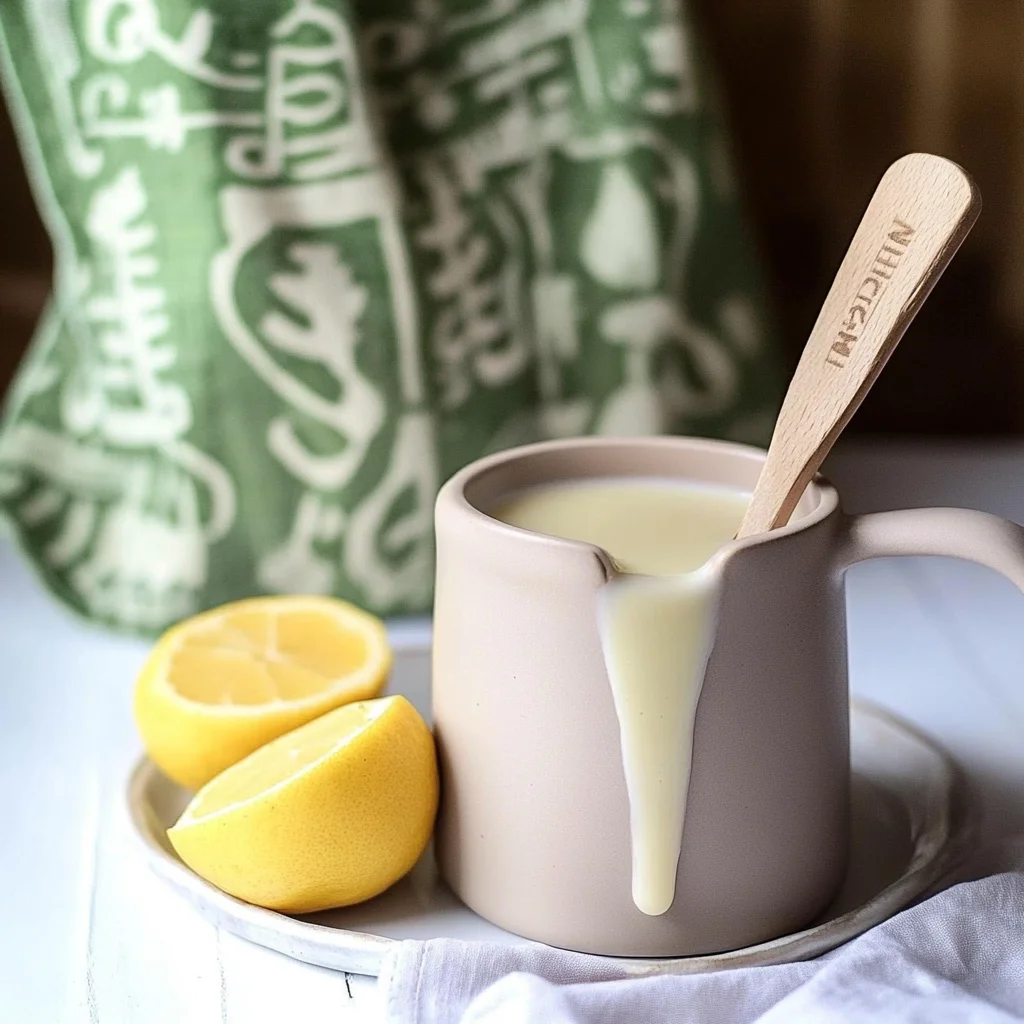
Imagine the rich, tangy aroma wafting through your kitchen as you whip up a batch of homemade buttermilk from milk. The moment you mix in that splash of vinegar or lemon juice, you’re not just creating an ingredient; you’re unlocking a world of flavor that elevates pancakes, tenderizes chicken, and brings a creamy touch to dressings.
Thinking back to lazy Sunday mornings filled with fluffy buttermilk pancakes sizzling on the griddle takes me back to cherished family breakfasts. With just a few simple steps, you can transform ordinary milk into this culinary treasure, perfect for any occasion that calls for a delicious twist. Get ready to dive into this easy process and discover why knowing how to make buttermilk from milk is a game-changer in your kitchen adventures!
Why Will You Keep Making how to make buttermilk from milk?
Homemade buttermilk is a game-changer in your kitchen! Quick and easy, this recipe takes just 5 minutes, giving you fresh buttermilk whenever you need it. Versatile and delicious, it enhances pancakes, biscuits, and marinades with its tangy flavor. Budget-friendly, all you need is milk and vinegar or lemon juice. Say goodbye to store-bought options, and enjoy the satisfaction of making your own creamy buttermilk!
how to make buttermilk from milk Ingredients
- For the Buttermilk Base
- 1 cup milk – Whole milk or 2% milk works best for achieving a rich, creamy texture.
- 1 tablespoon white vinegar – This adds the necessary acidity; you can substitute it with lemon juice if needed.
Step-by-Step how to make buttermilk from milk

1. Pour 1 cup of milk into a mixing bowl.
Start with whole milk or 2% milk for the creamiest results. This base will be transformed into that deliciously tangy buttermilk we all love!
2. Add 1 tablespoon of white vinegar (or lemon juice) to the milk.
This acidic ingredient is key to creating that signature buttermilk flavor. It will react with the milk, thickening it and giving it that delightful tang.
3. Stir the mixture gently with a whisk until combined.
Take your time here! You want everything evenly mixed, creating a smooth consistency. The mixture should start to slightly thicken as you stir.
4. Let the mixture sit for 5 minutes at room temperature to thicken.
Allowing it to rest is crucial; you’ll notice it becoming creamier and more viscous, perfect for your baking adventures!
Optional: Serve in recipes like pancakes or biscuits for a rich flavor boost!
Exact quantities are listed in the recipe card below.
Pro Tips for how to make buttermilk from milk
- Milk Choice: Use whole or 2% milk for the best creamy texture; skim milk may result in a thinner consistency.
- Acid Substitutes: While white vinegar is ideal, fresh lemon juice works beautifully too, imparting a delightful citrus note.
- Mixing Technique: Stir gently with a whisk until just combined; over-mixing can prevent proper thickening of your buttermilk.
- Rest Time: Allow the mixture to sit for at least 5 minutes at room temperature; this step is crucial for achieving that perfect tang.
- Storage Tip: If you have leftovers, store your homemade buttermilk in an airtight container in the fridge for up to two weeks.
How to Store how to make buttermilk from milk the Right Way
- Fridge: Store your homemade buttermilk in an airtight container for up to 2 weeks. Always check for sourness before using; it should smell tangy, not off.
- Room Temperature: Avoid leaving buttermilk out at room temperature for more than 2 hours. Bacteria can grow quickly, compromising its freshness and safety.
- Freezer: Freeze buttermilk in ice cube trays for easy use later! Once frozen, transfer cubes to a zip-top bag and store for up to 3 months. Thaw in the fridge before use.
- Reheating: If using frozen buttermilk, simply thaw overnight in the refrigerator. Stir well before adding it to recipes, as it may separate slightly after freezing.
how to make buttermilk from milk Your Way
Feel free to put your own spin on this creamy classic with these fun variations!
- Dairy-Free: Use almond or soy milk instead of regular milk for a dairy-free alternative. Simply mix 1 cup of your chosen nut milk with 1 tablespoon of vinegar.
- Herbed Buttermilk: Add fresh herbs like dill or chives for a savory twist. Stir in finely chopped herbs after mixing the base for an aromatic flavor boost.
- Spiced Buttermilk: Incorporate spices like cayenne or paprika for a hint of heat. This adds complexity and warmth, perfect for savory dishes or dressings.
- Coconut Buttermilk: Substitute regular milk with coconut milk to introduce a tropical flair. The slight sweetness complements baked goods beautifully.
- Greek Yogurt Boost: Mix in 2 tablespoons of Greek yogurt for extra creaminess and tang. It enhances richness, making it perfect for dressings and marinades.
- Maple Buttermilk: Sweeten it up by adding 1 tablespoon of maple syrup for a touch of sweetness. This variation works wonderfully in pancakes and waffles.
- Nutty Twist: Blend in 1 tablespoon of peanut butter for a nutty flavor. This unexpected addition is fantastic in smoothies or baked treats.
- Lemon Zest Infusion: Grate some lemon zest into the mixture for a bright citrus note. This adds freshness, enhancing both sweet and savory recipes alike.
Make Ahead Options

This simple recipe for how to make buttermilk from milk is perfect for meal prep, allowing you to whip up this tangy delight whenever you need it. You can easily measure out 1 cup of milk and 1 tablespoon of white vinegar (or lemon juice) in advance, making the process even quicker when you’re ready to use it later. Simply store these ingredients in a covered container in the refrigerator for up to 3 days. When you’re ready to enjoy your homemade buttermilk, just pour the milk into a mixing bowl, add the acid, stir gently with a whisk until combined, and let it sit at room temperature for 5 minutes to thicken. This way, you’ll always have fresh buttermilk on hand for your baking and cooking needs!
how to make buttermilk from milk Recipe FAQs
What type of milk should I use to make buttermilk?
Whole milk or 2% milk works best for creating a rich and creamy buttermilk. If you’re looking for a lighter version, you can use low-fat milk, but keep in mind that the texture may be slightly less creamy.
Can I substitute white vinegar with something else?
Absolutely! You can use lemon juice as a substitute for white vinegar. The acidity from both options will help curdle the milk, giving you that delightful tangy flavor typical of buttermilk.
How long should I let the mixture sit before using it?
After combining the milk and vinegar (or lemon juice), let it sit at room temperature for about 5 minutes. You’ll notice it thickens slightly, which is exactly what you want before using it in recipes.
How should I store leftover buttermilk?
If you have any leftover buttermilk, store it in an airtight container in the refrigerator. It should stay good for up to a week. Just give it a good stir before using, as it may separate slightly during storage.
Can I freeze homemade buttermilk?
Yes, you can freeze homemade buttermilk! Pour it into an ice cube tray or a freezer-safe container and freeze for up to 3 months. When you’re ready to use it, simply thaw in the refrigerator overnight and give it a stir before incorporating into your recipes.
What is the serving size for this recipe?
This recipe yields approximately 4 servings, with each serving around 100 calories. It’s perfect for when you need just enough buttermilk for baking or cooking without any waste!
Homemade Buttermilk
Ingredients
Method
- Pour 1 cup of milk into a mixing bowl.
- Add 1 tablespoon of white vinegar (or lemon juice) to the milk.
- Stir the mixture gently with a whisk until combined.
- Let the mixture sit for 5 minutes at room temperature to thicken.